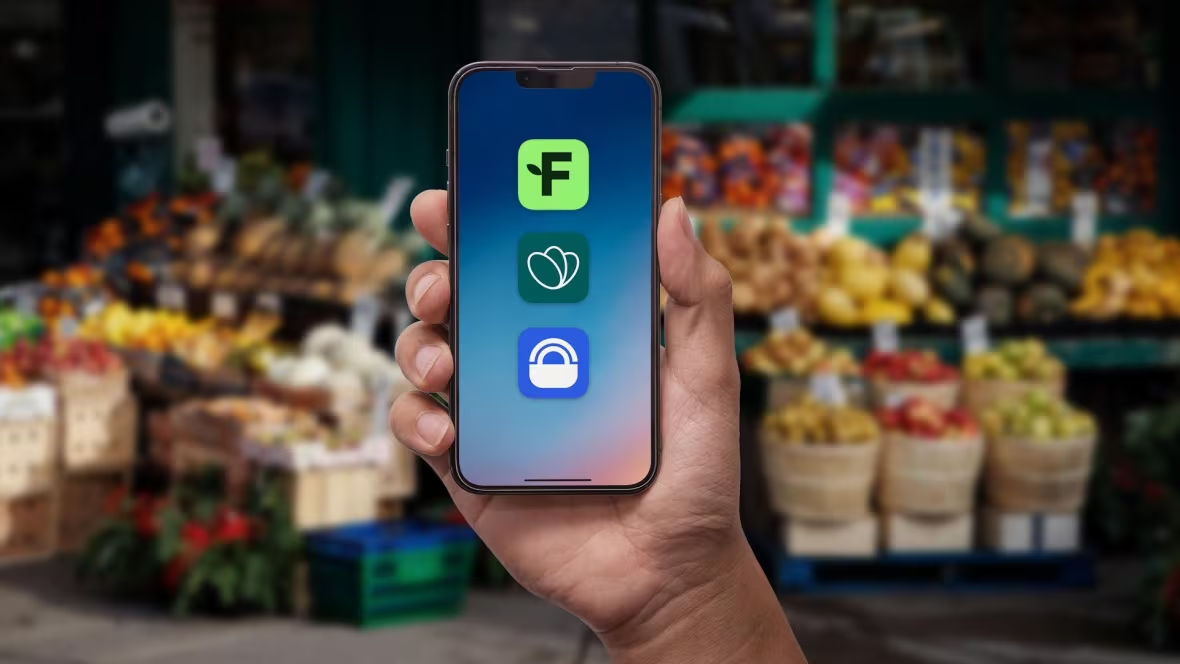
Food waste is a significant contributor to climate change, accounting for up to 10% of global greenhouse gas emissions. A third of all food produced is never eaten, generating emissions during production, transportation, and decomposition in landfills. The good news? Tackling food waste is something anyone can do, and emerging apps like Flashfood, FoodHero, and Too Good To Go are empowering Canadians to make a difference while saving money. CBC’s Nick Logan recently tested these apps to evaluate their impact.
Flashfood offers users discounted groceries from Loblaw stores, including packaged salads, fruits, and yogurt, which Nick purchased for half the price. The Toronto-based app tracks the weight of food rescued but not the emissions savings. CEO Nicholas Bertram reported that Flashfood has saved 73 million kilograms of food in its seven years of operation. While its environmental impact is evident, some argue that quantifying emissions reductions could further enhance its appeal to eco-conscious consumers.
FoodHero, a Montreal-based app partnered with Sobeys, focuses on rescuing high-emission food items like meat, fish, and dairy. Founder Jonathan Defoy emphasized the app’s focus on freezing items before their best-before dates, extending their usability by three months. The app calculates emissions savings from food disposal and transportation, but not from production—a limitation Defoy attributes to complexity. Despite these innovations, Nick found its vegetarian options lacking during his shopping trial. Still, FoodHero’s estimated impact of 25 tonnes of waste saved annually per store underscores its potential.
Too Good To Go, a Danish app that has rapidly gained traction in Canada, offers surprise bags of surplus food from restaurants, bakeries, and grocers at 25–50% of the original cost. During his test, Nick secured a full hot meal from an Indian restaurant and a bag of dry goods at significant savings. The app calculates the environmental impact of saved meals across their entire lifecycle, making it a compelling tool for eco-conscious users. Since its Canadian launch in 2021, the app claims to have saved eight million meals from the trash.
While these apps have proven effective at reducing waste and costs, experts warn of potential downsides. Tammara Soma from Simon Fraser University’s Food Systems Lab noted that while these apps encourage sustainable habits, they may also push food waste responsibility onto consumers, who may lack proper disposal options. “It may be better to keep the waste at the grocery store or restaurant,” she suggested, to ensure it’s composted rather than landfilled.
Nick’s experiment highlighted the tangible benefits of these apps: he saved over $40 on his $32 shopping trip and prevented food from going to waste. However, the lack of a unified emissions tracking system among the apps made it difficult to measure their exact environmental impact. As Canadians adopt these technologies, the challenge remains to balance convenience, sustainability, and waste reduction in the fight against climate change.